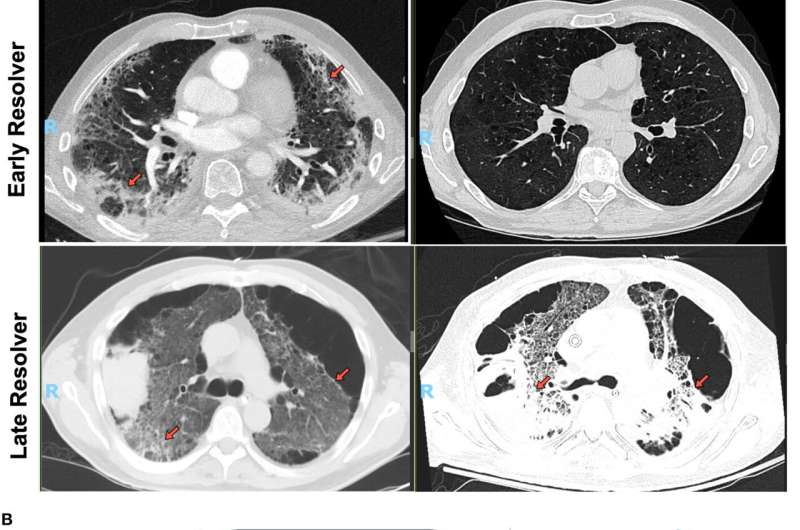



























by University of VirginiaComputerized tomography images of Early- and Late- Resolving COVID associated pulmonary fibrosis and study design. (A) CT images of two COVID survivors displaying resolvi
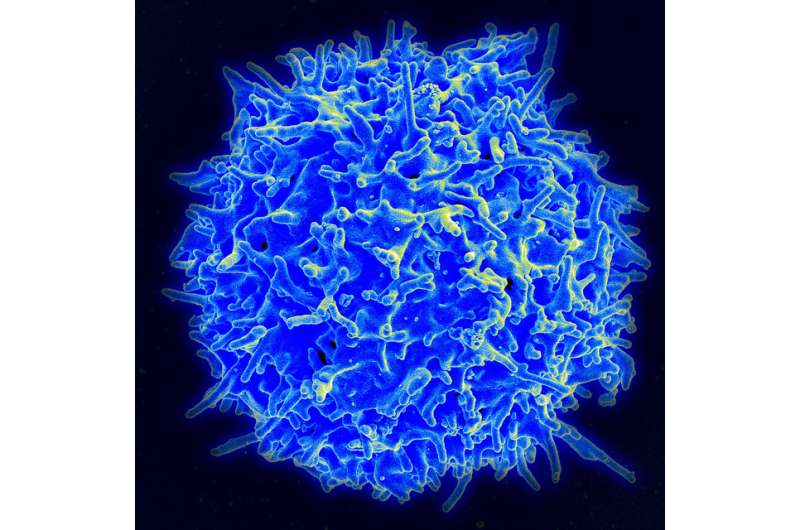
by Pasteur InstituteMicroscopic image of an HIV-infected T cell. Credit: NIAIDCells from the rare individuals who naturally control HIV infection have been the focus of investigation for nearly 1
(HealthDay)—Type 1 interferons (IFNs) may mediate pregnancy complications in the context of congenital Zika virus (ZIKV) infection, according to a study published in the Jan. 5 issue ofScience I
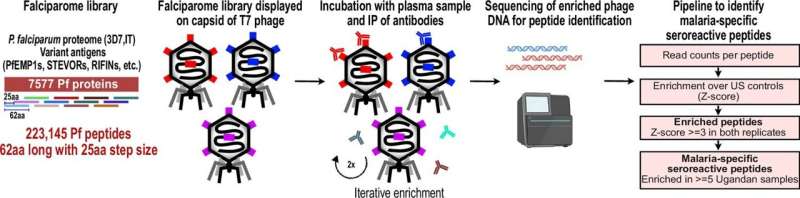
by Lindzi Wessel, Chan Zuckerberg BiohubPhIP-seq overview and analysis pipeline. Falciparome phage library displays the proteome ofPlasmodium falciparumin 62-aa peptides with 25-aa step si
byMassachusetts General HospitalCredit: Pixabay/CC0 Public DomainA cross-representative survey of adults in the United States showed decreasing levels of trust in physicians and hospitals during
byWashington University School of MedicineThe risk of long COVID has declined over the course of the pandemic, although it remains a persistent threat. Researchers from Washington University Sch
byOsaka UniversitySurvey methods required for wastewater surveillance to determine the COVID-19 incidence in the community. Credit:Science of The Total Environment(2024). DOI: 10.101
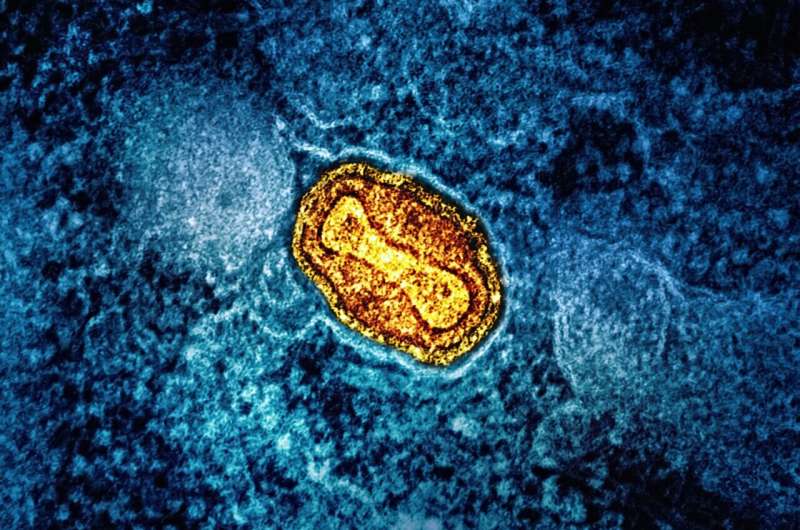
by , DpaMpox Virus Particle Colorized transmission electron micrograph of an mpox virus particle (yellow and red) found within an infected VERO E6 cell (blue), cultured in the laboratory. Image captur
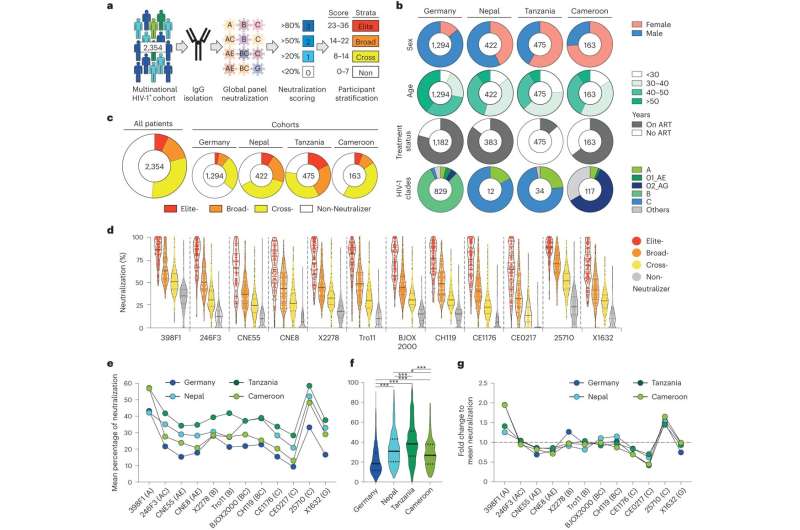
by University of CologneNeutralization screening of a large multinational cohort.a, Isolated IgGs of 2,354 HIV-1-infected individuals from a multinational study were tested against the glob
by Michelle Marchante, Miami HeraldCredit: CC0 Public DomainHow quickly could measles actually spread in South Florida?An outbreak of the highly contagious disease in the Miami-Fort Lauderdale-West Pa
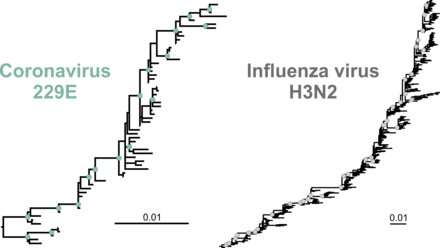
by Charité - Universitätsmedizin BerlinJust like thephylogenetic tree of the influenza virus subtype H3N2 (right), the phylogenetic tree of the ‘common cold’ coronavirus 229E (left) shows a