












143

Neurology
Focuses on brain health.
Sub Categories on Neurology
Latest Articles
Brain's 'speedometer' could help solve part of dementia puzzle

Brain's 'speedometer' could help solve part of dementia puzzle

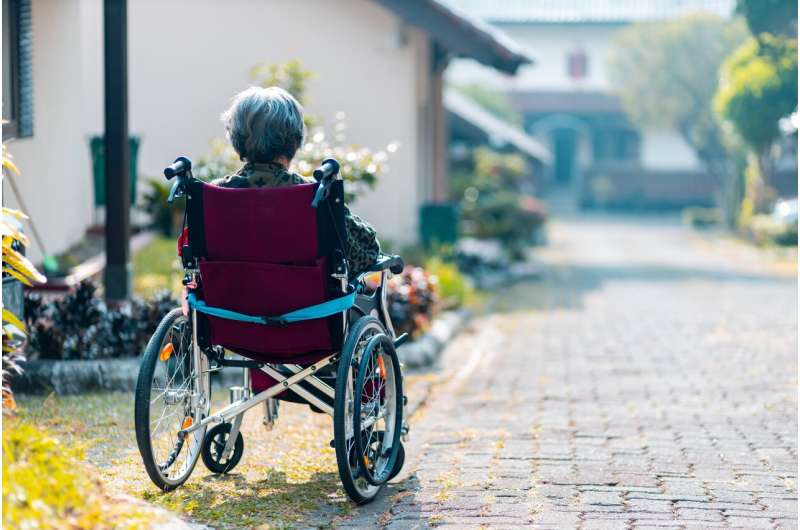
by University of ExeterCredit: Unsplash/CC0 Public DomainNearly one million people in the UK have dementia. People living with the most common form, Alzheimer's disease, can experience diffic

Brain's 'speedometer' could help solve part of dementia puzzle

by University of ExeterCredit: Unsplash/CC0 Public DomainNearly one million people in the UK have dementia. People living with the most common form, Alzheimer's disease, can experience diffic
Sleep deprivation in mice found to reduce brain synapse diversity

Sleep deprivation in mice found to reduce brain synapse diversity

by Bob Yirka , Medical XpressCredit:Current Biology(2024). DOI: 10.1016/j.cub.2024.07.032A multi-disciplinary team has found that depriving lab mice of sleep can lead to a reduction in syn

Sleep deprivation in mice found to reduce brain synapse diversity

by Bob Yirka , Medical XpressCredit:Current Biology(2024). DOI: 10.1016/j.cub.2024.07.032A multi-disciplinary team has found that depriving lab mice of sleep can lead to a reduction in syn
Mesh-like scaffold is disordered in Alzheimer's-affected cells

Mesh-like scaffold is disordered in Alzheimer's-affected cells

by Will Sansom,University of Texas Health Science Center at San AntonioBrain cells from a fruit fly model of Alzheimer's disease were compared to healthy brain cells to show a type of dysfun

Mesh-like scaffold is disordered in Alzheimer's-affected cells

by Will Sansom,University of Texas Health Science Center at San AntonioBrain cells from a fruit fly model of Alzheimer's disease were compared to healthy brain cells to show a type of dysfun
Brain's immune system triggers frontotemporal dementia

Brain's immune system triggers frontotemporal dementia

by Nicholas Weiler,University of California, San FranciscoFrontotemporal dementia (FTD), the second most common cause of dementia in people under 65, may be triggered by a defect in immune cells

Brain's immune system triggers frontotemporal dementia

by Nicholas Weiler,University of California, San FranciscoFrontotemporal dementia (FTD), the second most common cause of dementia in people under 65, may be triggered by a defect in immune cells
Pimavanserin reduced symptoms of dementia-related psychosis in phase 3 trial

Pimavanserin reduced symptoms of dementia-related psychosis in phase 3 trial

by University of ExeterA large-scale trial has found a treatment with pimavanserin substantially reduced psychotic symptoms and reduced risk of relapse of those symptoms compared to placebo in pe

Pimavanserin reduced symptoms of dementia-related psychosis in phase 3 trial

by University of ExeterA large-scale trial has found a treatment with pimavanserin substantially reduced psychotic symptoms and reduced risk of relapse of those symptoms compared to placebo in pe
Study reveals link between playing contact sports and parkinsonism in individuals with chronic traumatic encephalopathy

Study reveals link between playing contact sports and parkinsonism in individuals with chronic traumatic encephalopathy

byBoston University School of MedicineCredit: Pixabay/CC0 Public DomainThe largest study of CTE to date has found a new link between playing contact sports, chronic traumatic encephalopathy (CTE

Study reveals link between playing contact sports and parkinsonism in individuals with chronic traumatic encephalopathy

byBoston University School of MedicineCredit: Pixabay/CC0 Public DomainThe largest study of CTE to date has found a new link between playing contact sports, chronic traumatic encephalopathy (CTE
Degrading modified proteins could treat Alzheimer's, other 'undruggable' diseases

Degrading modified proteins could treat Alzheimer's, other 'undruggable' diseases

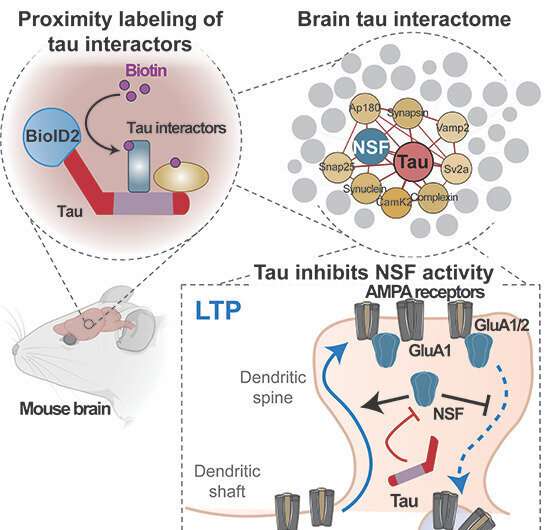
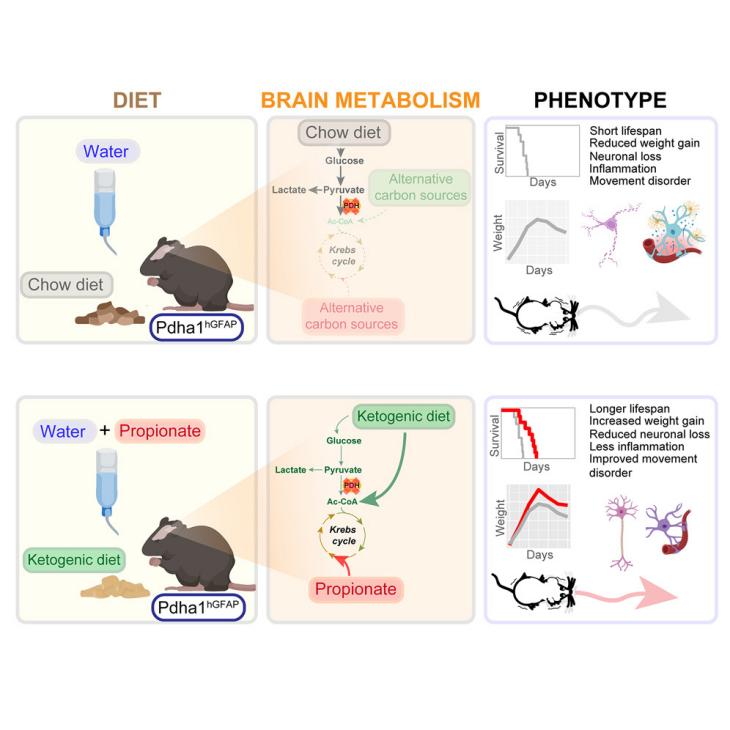
by American Chemical SocietyGraphical abstract. Credit:ACS Central Science(2023). DOI: 10.1021/acscentsci.2c01369Certain diseases, including Alzheimer's, are currently considered

Degrading modified proteins could treat Alzheimer's, other 'undruggable' diseases

by American Chemical SocietyGraphical abstract. Credit:ACS Central Science(2023). DOI: 10.1021/acscentsci.2c01369Certain diseases, including Alzheimer's, are currently considered
Emergency/urgent hospitalizations linked to accelerated cognitive decline in older adults

Emergency/urgent hospitalizations linked to accelerated cognitive decline in older adults

by Rush University Medical CenterCredit: CC0 Public DomainEmergency and urgent hospitalizations are associated with an increased rate of cognitive decline in older adults, report researchers at R

Emergency/urgent hospitalizations linked to accelerated cognitive decline in older adults

by Rush University Medical CenterCredit: CC0 Public DomainEmergency and urgent hospitalizations are associated with an increased rate of cognitive decline in older adults, report researchers at R
Dementia spreads via connected brain networks

Dementia spreads via connected brain networks

by University of California, San FranciscoCredit: CC0 Public DomainIn a new study, UC San Francisco scientists used maps of brain connections to predict how brain atrophy would spread in individu

Dementia spreads via connected brain networks

by University of California, San FranciscoCredit: CC0 Public DomainIn a new study, UC San Francisco scientists used maps of brain connections to predict how brain atrophy would spread in individu
Decoding sleep to reveal our state of health

Decoding sleep to reveal our state of health

by Bruno Geoffroy,University of MontrealA Schematic representation of the position of cannulas (in CA1) and electrodes (surface of the cerebral cortex) and timeline of the experimental protocol.

Decoding sleep to reveal our state of health

by Bruno Geoffroy,University of MontrealA Schematic representation of the position of cannulas (in CA1) and electrodes (surface of the cerebral cortex) and timeline of the experimental protocol.
Understanding others: By age three, we can do this with mirror neurons

Understanding others: By age three, we can do this with mirror neurons

byCatholic University of the Sacred HeartCredit: Pixabay/CC0 Public DomainBy the age of three, children are capable of understanding others, "mirroring" those they are with to imitate

Understanding others: By age three, we can do this with mirror neurons

byCatholic University of the Sacred HeartCredit: Pixabay/CC0 Public DomainBy the age of three, children are capable of understanding others, "mirroring" those they are with to imitate
It takes two to tango: An interpersonal perspective on autism

It takes two to tango: An interpersonal perspective on autism

by Béatrice St-Cyr-Leroux,University of Montreala. Experimental setting of the double video system and dual-EEG recording. b. example of an experimental run. Credit:Social Neuroscience&nbs

It takes two to tango: An interpersonal perspective on autism

by Béatrice St-Cyr-Leroux,University of Montreala. Experimental setting of the double video system and dual-EEG recording. b. example of an experimental run. Credit:Social Neuroscience&nbs